
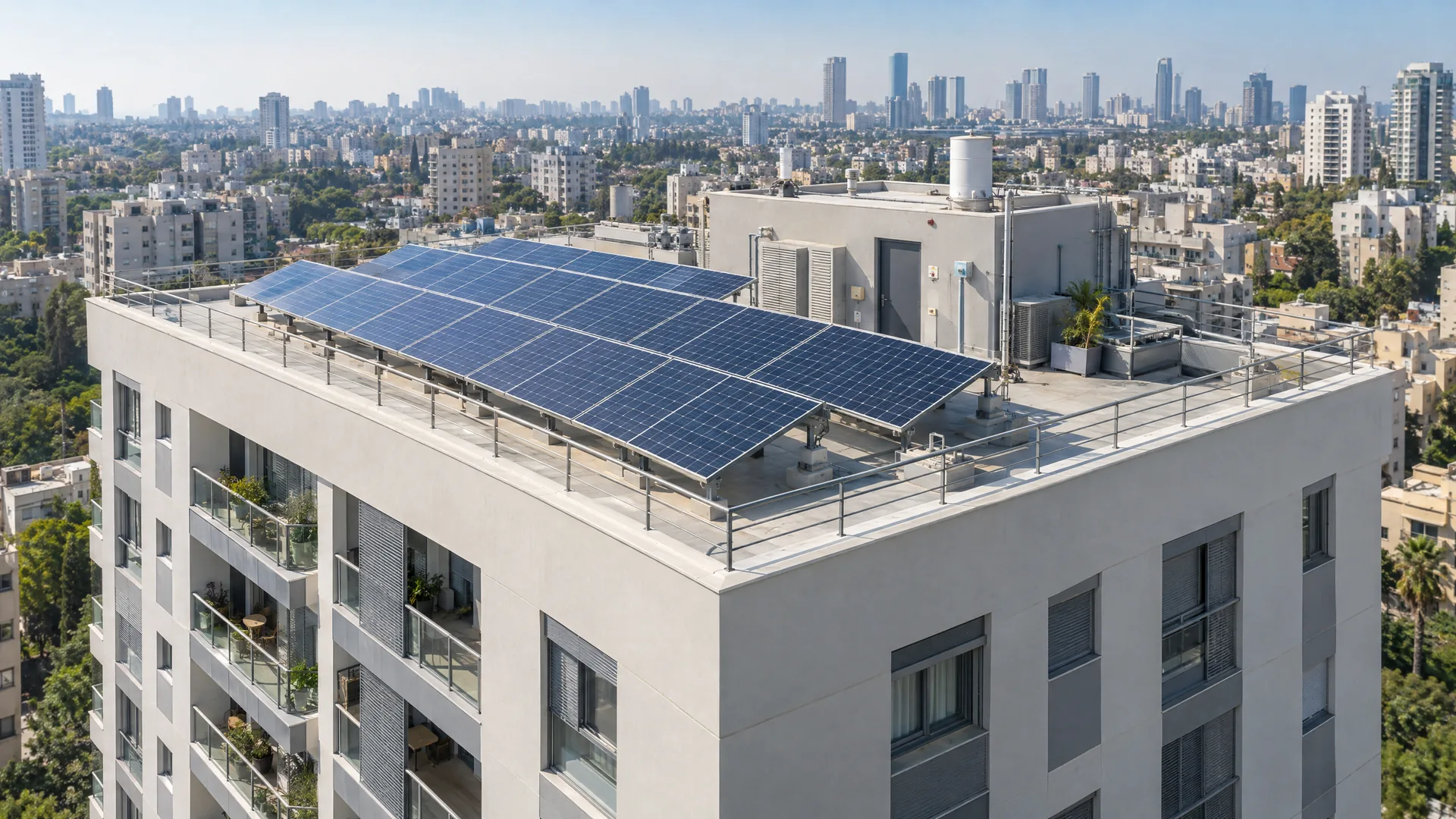
At a glance
- Cleaning accumulated dirt helps panels receive sunlight and supports the system’s electricity generation.
- Checking the panels and site conditions helps identify a useful cleaning time, especially where dust, bird droppings or stuck-on deposits are present.
- If output falls, also check weather, shade and system condition; cleaning addresses soiling, not technical faults.
- Coordinating roof access and a manufacturer-approved method helps protect people and panels during the work.
How pre-winter cleaning helps solar panels
Clean panels can receive sunlight as intended and support the system’s electricity generation. Before winter, checking the panels and planning service around their condition helps remove buildup that obstructs light and arrange the work at a suitable time. The US National Renewable Energy Laboratory’s (NREL) operations and maintenance guidance (3rd edition, 2018) says environmental conditions, local rainfall and manufacturer instructions affect cleaning needs and timing. The right decision therefore depends on the roof and system.[1]
Checking and coordinating before the rainy season lets you account for visible soiling, the forecast and roof access. If the panels look clean and the system is operating normally, continue monitoring and reassess according to site conditions and the installer’s guidance.
Dust, trees, birds and rain: what affects cleaning needs?
The amount and type of soiling depend on the surroundings. Dust from construction, nearby roads or agricultural activity, leaves and bird droppings can leave a film or localized marks. Rain may remove some loose dust, but it cannot be assumed to remove every deposit stuck to the surface or every uneven patch of dirt. NREL notes that uneven soiling, such as bird droppings, may affect parts of an array, and says cleaning should avoid component damage and follow module-manufacturer recommendations.[1]
An initial check can be made from the ground or another safe viewing point, without climbing onto the roof. Look for obvious buildup or persistent localized dirt and note its location. This helps a professional assess whether cleaning is appropriate and plan safe access.
Timely cleaning supports system output
Dirt covering panels can obstruct sunlight and affect electricity generation. If monitoring shows a drop in output, also check cloud cover and weather, shade from trees or nearby structures, equipment faults and monitoring changes. Compare similar periods where possible to help determine whether cleaning may help or whether another check is needed. If there is an alert, unusual output or suspected damage, contact the system installer or maintenance provider.
The benefit of cleaning depends on the amount and distribution of soiling and the site, so there is no fixed improvement in output or electricity-bill savings. NREL recommends weighing cleaning costs against potential benefit in cases of uniform soiling. Before winter, timing the work in relation to expected rain helps identify a suitable service date.[1]
- Review monitoring data over time, not just for one day, while accounting for weather and shade.
- If dirt is visible, note its location and take a photo from a safe position only.
- Report faults or unusual drops to the installer instead of treating them as a cleaning request alone.
How to choose a time and coordinate roof access
The timing of a pre-winter cleaning should account for the forecast, system condition, access and site—not a fixed calendar date. In a shared building or rental property, coordinate with the owner, building manager or residents’ representative to confirm who authorizes roof access and who is responsible for the system. Check for locked gates, restricted access hours, rooftop equipment or areas that must not be walked on.
When requesting a quote, share practical details: location, panel count or system size if known, access conditions, visible soiling, and whether the roof is private or shared. The Israeli consumer marketplace Midrag lists prices that vary by system type and size and travel distance; an actual quote should reflect site conditions and the work required.[3]
Cleaning methods and manufacturer instructions
Before approving a cleaning, ask the provider to confirm that the method follows the panel manufacturer’s instructions and suits the roof. NREL advises following module-manufacturer recommendations and warns against methods that could cause damage, including high-pressure water, solvents, abrasives and harsh detergents. Do not use a high-pressure washer on panels. If the manufacturer sets limits or you are unsure about a cleaning agent, water or tool, check with the installer or maintenance provider before work begins.[1]
Cleaning the panel surface is not the same as repairing or maintaining electrical equipment. Do not handle wiring, the inverter or other components as part of a cleaning job. Ask the provider in advance what is included and how any inaccessible sections will be handled.
Safe work and what to record afterwards
Well-planned access helps protect people and the system. A roof may be sloped, fragile or wet, with edges that create a fall hazard. An Israeli Ministry of Labor training document on working at height includes roof work, including sloped or fragile roofs, among the topics requiring hazard identification and appropriate instruction.[2] Do not climb onto the roof to clean panels yourself or approach electrical equipment; leave the work to professionals who can plan access and the method. In rain or on wet surfaces, postpone work until conditions are suitable.
After service, request a brief update on the areas cleaned, access limitations and any unusual signs observed. Keeping the service date and system readings helps you compare later without ordering repeat cleaning without a reason. MOLO CLEAN offers solar-panel cleaning; we bring more than eight years of cleaning experience. To discuss suitability and request a quote based on site details, call 0539306139 or send a WhatsApp message to 972539306139.
Frequently asked questions
How can pre-winter panel cleaning help a system?
Cleaning removes dust and buildup that can obstruct sunlight and electricity generation. The benefit depends on the amount of dirt and site conditions, so check the panels and follow the manufacturer’s instructions.[1]
When should panels be cleaned before winter?
Choose timing based on panel condition, surrounding dust, expected rain and manufacturer guidance. Checking and coordinating in advance helps plan service for a suitable time.[1]
Can I climb onto the roof and clean the panels myself?
Do not climb onto the roof to clean panels yourself. Roof work involves fall hazards and requires safe access and work planning. Coordinate with the property owner or building manager and contact an appropriate professional.[2]
Sources and further reading
External sources may be available in English only.