
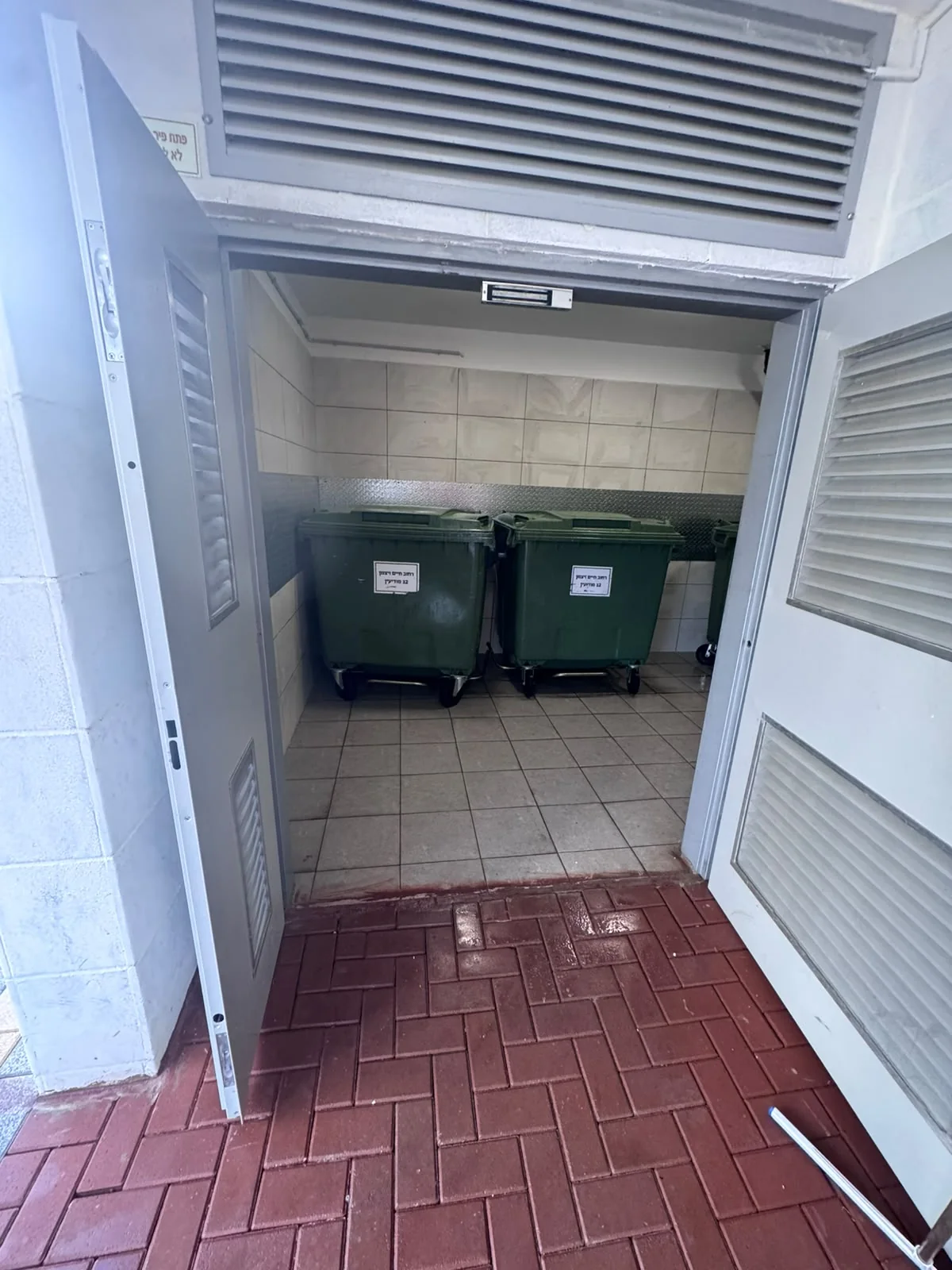
At a glance
- Thorough cleaning removes residue from floors, around bins, and reachable surfaces, leaving the room more orderly and easier to maintain.
- Disinfection can be arranged when appropriate; it follows cleaning and uses a product suited to the surface and label directions.
- Planning access, waste removal, ventilation, and drainage helps tailor the work to the room.
- Share a photo and access details to discuss a quote: call 0539306139 or message MOLO CLEAN on WhatsApp.
What does building waste-room cleaning include?
A clean, orderly waste room is more pleasant to use and easier to maintain. Professional cleaning addresses accumulated dirt on the floor, around the bins, and on reachable surfaces, according to the room's condition and the agreed scope. Work may include removing accessible residue, cleaning the floor and bin area, and checking that the drain and walkway remain accessible. Emptying municipal bins or removing unusual waste is not automatically included, so define that in advance.
Coordinate the appointment, room access, and responsibility for moving the bins with the residents' committee or property manager. Mention leaks, delicate surfaces, unusual dirt, or items that need moving. Construction waste, apartment contents, and bulky items may have separate collection rules. Tel Aviv-Yafo Municipality, for example, publishes local instructions and schedules for garbage and garden-waste collection; check your own municipality's rules, which may differ [1].
- Remove accessible residue and waste within the agreed scope.
- Clean the floor and bin area with methods suited to the surfaces.
- Clean reachable surfaces and check that the walkway and drain access are clear.
Cleaning and disinfection serve different purposes
Cleaning removes dirt, grease, and residue from surfaces and provides the foundation for a cleaner, more orderly room. Disinfection is a separate step intended to act on harmful germs remaining after cleaning. The CDC's community-facility guidance, dated April 16, 2024, says routine cleaning is sufficient in many situations; disinfection may be appropriate, among other circumstances, after illness or based on the setting. This is general community-facility guidance, not an Israeli standard specifically for waste rooms [2].
When disinfection is arranged, choose a product intended for the relevant use and suitable for the surface. Read the label and safety precautions before use. Contact time varies by product. If the directions require the surface to remain wet, keep it wet for the stated period [2].
Follow product directions for safer work
Israel's Ministry of Health, in guidance published March 26, 2025 and updated March 31, 2025, advises users to read product directions and not mix cleaning materials. Mixing can release harmful gases. Following each product's label and keeping it in its original container help reduce risk [3]. Use products separately and do not add another substance.
In a shared waste room, limit access during the work, especially for children and residents who are not involved. Follow the label and safety data sheet for gloves, eye protection, and other precautions. Do not spray a product into the air or over a wide area unless its directions expressly allow that method.
Ventilation and drainage in an enclosed room
Before work, check whether the room has a window, ventilation opening, or operating exhaust system, then follow the product label and safety data sheet. The CDC advises increasing air circulation during disinfection in community facilities, for example by opening doors and windows or using suitable ventilation [2]. In an enclosed room, choose an approach suited to the product and space; do not use a fan if it could spread fumes.
Before washing, check that the drain is clear and can be used under the site's conditions. Use only the water needed, avoid flooding or standing water, and confirm that discharging water outside or into a drain is appropriate. If unsure, ask the property manager or municipality.
How to arrange waste-room cleaning
To plan work that suits the room, specify whether you need cleaning only or disinfection as well, who will move the bins, and which items are outside the waste-removal scope. Tell the provider about liquid spills, unusual odors, leaks, sensitive surfaces, limited ventilation, or drainage issues. This helps establish the scope and directions to follow during and after the work.
The right schedule depends on room usage, condition, and waste-collection arrangements. MOLO CLEAN provides waste-room cleaning and disinfection, with more than eight years of experience in professional cleaning. Call 0539306139 or message 972539306139 on WhatsApp. Share a photo and access details to discuss a quote based on the room and work required.
Frequently asked questions
Does every waste-room cleaning service include disinfection?
Not necessarily. Cleaning removes dirt, while disinfection is a separate step that can be arranged based on need, surface type, and scope. Agree on what is included in advance.
How long should disinfectant stay on a surface?
Contact time depends on the product. Follow the label, keeping the surface wet for the required period when specified.
Can I mix cleaning products to make them work better?
No. Israel's Ministry of Health warns against mixing cleaning materials because mixing can release harmful gases. Use each product as directed and do not add another substance [3].
What should we prepare before booking waste-room cleaning?
Arrange room access and decide who will move the bins. Tell the provider about leaks, sensitive surfaces, limited ventilation or drainage, and unusual waste so the work and removal scope can be discussed in advance.
Sources and further reading
External sources may be available in English only.